
Build an Emergency Fund Before the Emergency
A dedicated cash reserve can help a household absorb an income gap or urgent bill without immediately relying on costly debt.
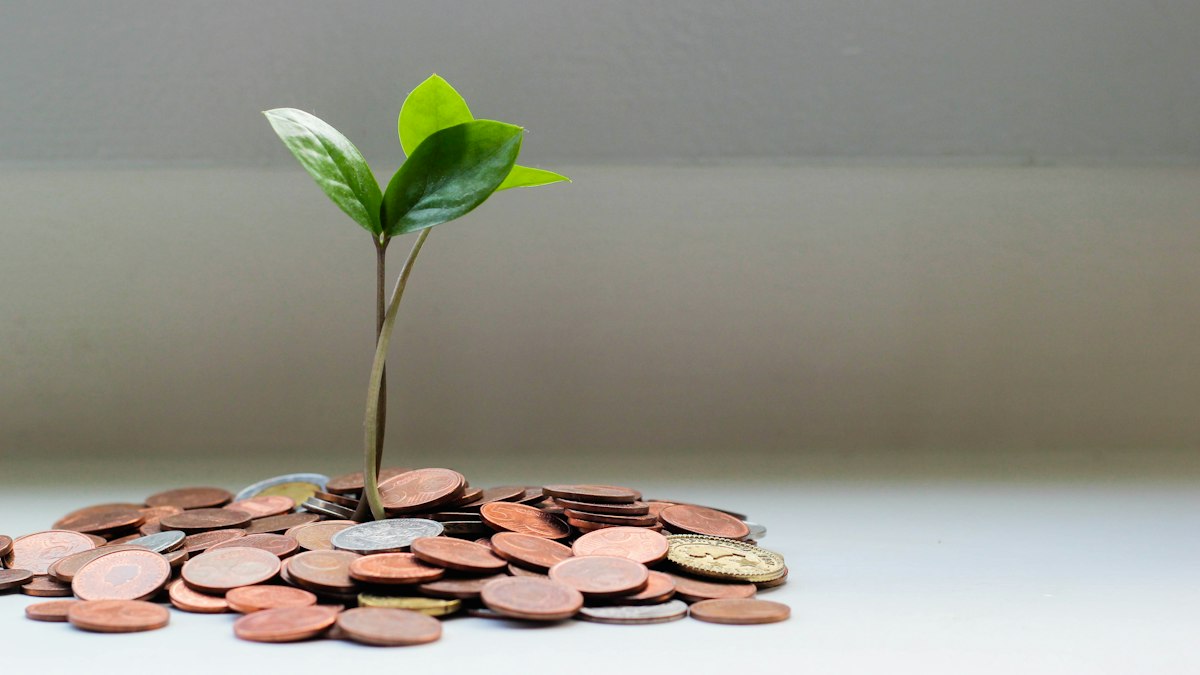
In this article
01Define what counts as an emergency02Choose a realistic starting target03Prioritise access and replenish04Financial information note05Sources and further readingDefine what counts as an emergency
A sudden medical expense, essential home repair or temporary loss of income may qualify; a planned holiday or routine annual premium usually does not. Write down the events the reserve is meant to cover. That simple boundary makes it easier to preserve the money for its purpose while still allowing legitimate use when a shock arrives.
Choose a realistic starting target
Estimate essential monthly outgoings rather than total lifestyle spending, then choose a target that reflects household stability, dependants and income variability. A salaried household with multiple earners may face different risks from a single freelancer. If the full goal feels distant, set a first milestone and contribute a repeatable amount after each payday.
Prioritise access and replenish
Keep emergency money in an account or deposit arrangement that is understandable and accessible when needed; do not expose the entire reserve to market-price swings or withdrawal restrictions. Separate it from routine spending, check account access details, and replenish any amount used. RBI's financial education resources encourage planned saving; they do not prescribe a personal target.
Financial information note
This article is for general education and is not individualized investment, tax, or financial advice.
Sources and further reading
Updated Oct 31, 2026